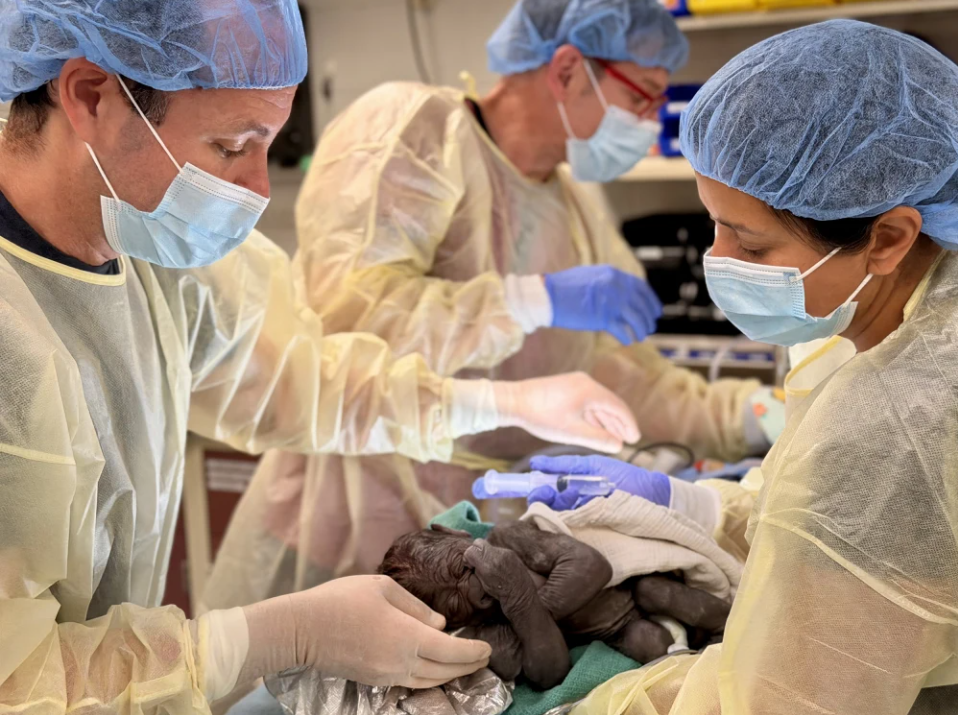

A zoo in Washington State is making international headlines after a landmark cesarean delivery of a baby gorilla – a procedure so rare in great ape veterinary medicine that it has been hailed as “game-changing” by specialists in the field. It is a triumph of the increasingly sophisticated surgical and collaborative approaches employed by zoos to safeguard the lives of species in peril.
Zoo administrators said the procedure was performed after prenatal checks discovered potential problems with the pregnancy that made natural birth of the baby and the mother potentially dangerous, requiring urgent C-section delivery after a detailed assessment by veterinarians.
The baby gorilla was successfully delivered and is under intense observation while the mother recovers from surgery in the intensive care veterinary unit. Animals will remain under constant observation as veterinarians carefully check physical integrity, recovery, and early indications of bonding.
Why the Emergency C-Section Was Required
The veterinary staff explained that the decision for surgery was not taken lightly. Normally, birth in large primates such as gorillas is monitored carefully and natural delivery is desired, although serious risk can be posed.
In this specific case, x-rays and ultrasound scans clearly showed that the pregnancy was not going well and, if left alone, the risk of serious complications and distress to the mother, and the potential risk to the infant would be high.
Due to similar physiology to humans, the veterinary staff was capable of identifying where veterinary intervention would be needed. The decision that an emergency surgical birth would give the best hope for mother and infant was reached after carefully evaluating the risk factors involved. The need for rapid action between both veterinary specialists and human obstetricians was paramount.
Collaboration Between Veterinary and Human Medical Experts
The interplay between zoo veterinarians and their human counterparts is one of the more extraordinary features of this case. Both zoo and human experts composed the surgical team. A well-established operating room, designed to perform animal procedures of high complexity, housed the combined medical teams. This type of teamwork is becoming crucial in wildlife medicine today for creatures like the gorilla which has anatomical similarities to human beings which may facilitate human surgeons to participate in rare cases requiring this degree of surgical skill. This combined effort was essential in maintaining the mother’s stability, reducing her stress, delivering the infant, and keeping her alive. Anesthesia, delivery and recovery was well coordinated and once both mother and baby were stabilized, each was moved to separate recovery facilities.
The Condition of the Newborn Gorilla
Baby is now in a stable condition, and is being carefully looked after in intensive neonatal care. Within the first hours of birth attention of veterinary staff will be on ensuring correct breathing, body temperature and responses.
Young gorilla babies need special care even in the natural habitat and particularly so following a caesarean section operation, hence the intensive care program introduced at the zoo including continuous observation and monitored environments.
The baby gorilla will be housed in warm, quiet conditions to avoid stress and aid development. The baby is being observed closely for feeding and initial signs of mother-offspring bonding.
Although first few days are always a critical period for any baby primates, initial signs indicate the infant has reacted to the treatment.
The Mother’s Recovery Process
The mother gorilla is being looked after closely by the vet and recovers from surgery. This sort of post-operative care for great apes is delicate as not only has the animal’s physical recovery to be monitored but also her mental state. The vet team are checking for any signs of the wound healing, her diet and hydration and the gorilla’s overall behavior. Crucially the team are also monitoring her interaction with the baby gorilla, as bonding is crucial to the survival and emotional well-being of the baby. Mothers can be sluggish recovering from anesthetic and may initially not take much interest in their offspring but this can develop and the zoo staff are prepared for a variety of different outcomes, even possibly with assistance if it’s required in order for bond to form effectively.
Why This Birth Matters for Conservation Efforts
Western lowland gorilla-This species of gorilla is critically endangered in the wild, the population still depletes from deforestation, illegal hunting and disease epidemics.
All breeding successes in zoos play a role in worldwide conservation efforts aimed at maintaining genetic diversity and the survival of the species. Breeding programs overseen by zoos coordinate all managed gorilla populations, insuring healthy long-term maintenance.
This individual birth is not just due to its rarity but also because it highlights the survival value of cutting-edge veterinary management in high-risk pregnancy.
Through the successful treatment of a difficult medical problem, this zoo has gained knowledge, and shared it with the world in relation to wildlife preservation and reproductive science.
The Role of Modern Zoos in Advanced Veterinary Care
Modern zoos have drastically changed in the last couple decades. The role of the modern zoo has evolved and most zoos are now centers of conservation, research, and modern veterinary medicine. Equipment is now available for imaging, surgery, and neonatal intensive care. Veterinarians are now prepared and skilled for treating very complicated medical conditions of large animals, including emergency surgery and high-risk deliveries. This case is indicative of the increasing dependence of zoos on technology like ultrasound imaging, surgical intervention, and small-animal-like intensive care facilities for their wildlife. These advancements may be responsible for increased rates of survival and for conservation of endangered species.
Public Reaction and Global Interest
The story of the rare gorilla birth has captured people’s imaginations across the world. People from across the planet have showed interest in the story, with animal lovers, conservationists and wildlife enthusiasts showing appreciation to the vet’s involved for performing the successful procedure. The story has been broadcast far and wide across many social media platforms with a lot of people being emotionally affected by the event, and also being astonished by the scientific expertise required to perform the successful birth. The fact that the event involved endangered animals and was a result of complex veterinary knowledge have made it popular across social media networks. However, the widespread attention also points to the people’s growing consciousness of wildlife conservation issues.
Challenges That Still Lie Ahead
While the operation itself went well, animal experts point out that the infant gorilla still has a number of hurdles to overcome in its development. The next few weeks and months will be crucial in terms of physical and emotional health.
Concerns include the development of a proper maternal bond, a stable condition and appropriate socialization, and it is vital that gorilla infants be introduced to other gorillas for future social development.
Veterinary staff will be monitoring the infant carefully and introducing it slowly to interaction when the circumstances and conditions are deemed appropriate.
The Future of Wildlife Medicine
This type of unusual C-section is a developing aspect of wildlife veterinary medicine; we are trying to replicate human veterinary methods for use with wildlife populations. Wildlife veterinarians predict further improvements in imaging, surgery and neonate care will make it possible to save even more endangered species in the wild. The greater challenges that confront world conservation will surely bring about further exciting and lifesaving advancements for our wild friends.
Conclusion
The birth of a baby gorilla at a Washington state zoo in an emergency delivery is a major success for both veterinary medicine and conservation. The future of the newborn may be unknown, but the actual process represents the success of science, cooperation and inventiveness. With the race to preserve species in a critical state continuing around the globe, the rare delivery is proof that modern medical intervention is key to the continued survival of animals on the verge of extinction.