
The 2026 World Cup, co-hosted by the United States, Canada, and Mexico starting on June 11, will already make history as the first tournament in which 48 teams will compete. But FIFA is not done yet, and the world footballing governing body is already contemplating steps beyond this one, with concrete talks taking place regarding potentially expanding the 2030 World Cup to 66 nations – a further enormous shake-up of football’s premier competition.
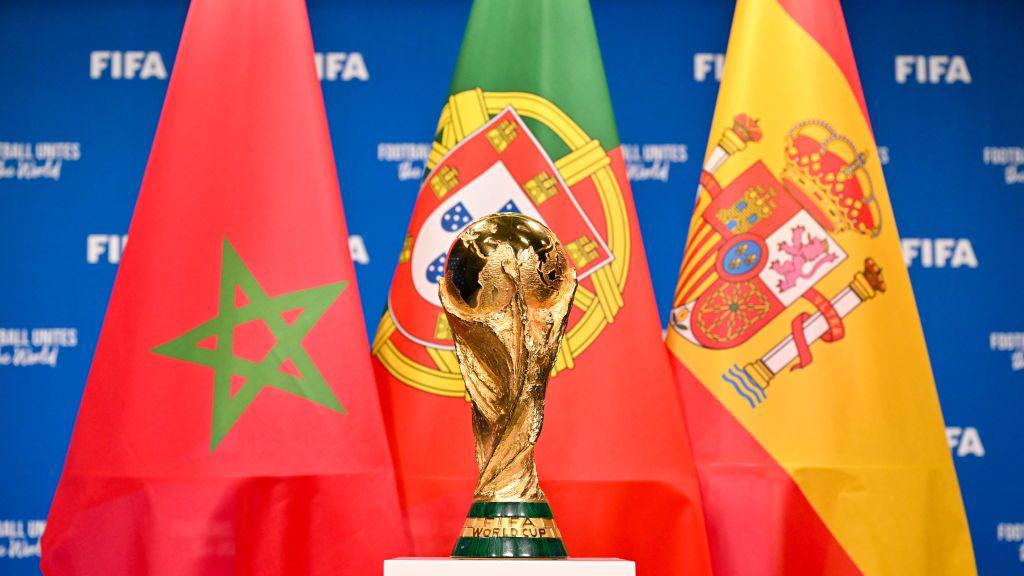
The 2030 World Cup is set to be primarily hosted by Spain, Portugal and Morocco, with symbolic games also held in Argentina, Uruguay and Paraguay, in commemoration of the 100th anniversary of the first tournament held in Uruguay in 1930. CONMEBOL, South America’s football confederation, initiated the proposals for an expansion beyond 48 nations for a very clear reason – more nations should be allowed the chance to participate on the world’s biggest stage, and there are still far too many countries being left out under the current rules.
FIFA president Gianni Infantino has backed this move wholeheartedly, and views further expansion of the tournament as an excellent opportunity to grant more countries opportunities to feature at World Cups, believing this would go along with FIFA’s broader mission of globalizing football. The upcoming tournament in North America is expected to already include numerous debut nations and nations returning to the World Cup for the first time in a long while, with nations like Cape Verde, Curacao, Jordan, and Uzbekistan all among the potential debutantes.
FIFA now has to assess if this drive to inclusion that motivates the expansion of the 2026 World Cup is something that they should apply again in 2030, however. For now, the decisions are yet to be made, and confirmation of any expansion proposal is expected to only be announced once the final on July 19 has taken place, so that FIFA can gauge the impact of the 48-nation format.
In the meantime, questions have arisen surrounding some Spanish venues, with Malaga withdrawing from its bid as a host city, and doubts over Bilbao and San Sebastian casting uncertainty over the logistics in Spain. This debate is likely to continue to build pace throughout the duration of the North American World Cup as the 48-nation format plays out and provides FIFA with valuable information.
On a separate note, FIFA president Gianni Infantino has already clarified that the governing body is not considering a biennial Club World Cup, stating that there are more immediate plans for the 2029 edition to continue as planned, while the idea of a biennial club tournament being ‘unsuitable’ for now.