
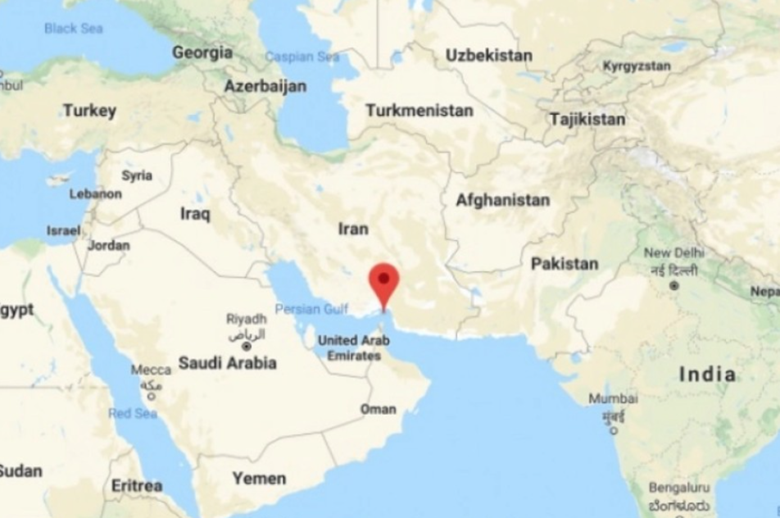

The closure of the Strait of Hormuz could trigger a serious global food price crisis over the next six to twelve months if governments do not take urgent action, the United Nations Food and Agriculture Organization (FAO) warned today.
The FAO noted that decisions currently being made by farmers and governments regarding the use of fertilisers, imports, financing, and crop selection will determine whether food prices spike sharply by the end of this year or the beginning of 2027.
According to FAO data, the consequences are already visible. The organisation’s food price index, which tracks monthly changes in international prices of food commodities, rose for the third consecutive month in April, driven by high energy costs and supply disruptions linked to the conflicts in the Middle East.
The UN Food and Agriculture Organization warns that the crisis will unfold in stages — first through rising energy prices, then through higher fertiliser and seed costs, followed by lower crop yields, rising prices for agricultural raw materials, and ultimately more expensive food for consumers.
The FAO called on governments to find alternative trade routes to bypass the Strait of Hormuz, to refrain from introducing export bans, and to protect humanitarian food flows from trade restrictions.
The most vulnerable are the poorer countries of Asia, Africa, and Latin America, where a large portion of the population already struggles to secure adequate food. These nations traditionally rely on the Middle East for their supplies of nitrogen fertilisers, making them especially exposed to any prolonged disruption of the strait.