
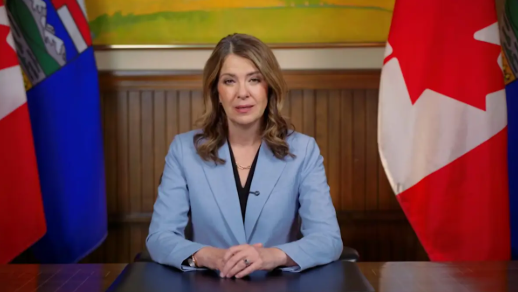

In what is being described as the most serious test of Canadian national unity in decades, Alberta Premier Danielle Smith has announced that the western province will hold a referendum on October 19 on whether to remain part of Canada or proceed toward a second, binding vote on full separation from the federation.
The announcement has sent shockwaves through Canadian politics, reigniting a long-simmering debate about the relationship between Canada’s resource-rich western provinces and the federal government in Ottawa. For many Albertans, the grievances are deeply rooted — particularly around the development of the province’s vast oil and gas reserves, which some residents feel have been systematically constrained by federal climate and energy policies that prioritize eastern political interests over western economic realities.
Premier Smith, however, was clear about her own position. She stated publicly that she would vote for Alberta to remain in Canada, and emphasized that this reflects the stance of her government and her legislative caucus as well. Her decision to call the referendum was not, she insisted, a push for independence — but rather a democratic response to the growing number of Albertans demanding to have their voices heard.
The move was further prompted by a controversial court ruling in which an Alberta judge dismissed a citizens’ petition for a secession referendum, citing concerns raised by First Nations representatives who argued they had not been adequately consulted in the process. The ruling prevented the petition’s signatures from being verified. Smith reacted sharply to the decision.
“As Premier, I will not allow the legal error of one judge to silence the voices of hundreds of thousands of Albertans. The future of Alberta will be decided by the people, not the courts. Silencing hundreds of thousands of citizens who want to be heard is unjustifiable in a free and democratic society,” Smith said.
The scale of public interest on both sides of the debate is significant. A citizens’ petition in favor of separation gathered over 300,000 signatures earlier this year, while a separate petition calling for Alberta to remain within Canada collected more than 400,000 signatures — suggesting that, while the independence movement is vocal and organized, it does not yet command a clear majority.
Public opinion polls reflect the same picture. Current surveys show that a majority of Alberta residents would vote against separation if given the choice today.
At the federal level, Canadian Prime Minister Mark Carney has made clear that any attempt at provincial separation would have to comply with the Clarity Act — a 26-year-old piece of legislation introduced following Quebec’s razor-thin 1995 independence referendum, in which 50.58 percent voted to remain in Canada against 49.22 percent who voted to leave. The Act requires a clear majority, an unambiguous referendum question, and federal parliamentary oversight before any separation negotiations could begin.
Should a second, binding referendum on Alberta’s independence ever reach the threshold required under the Clarity Act, it would trigger lengthy and complex negotiations with the federal government over the terms of separation — a process that could take years and reshape Canada as the world knows it.