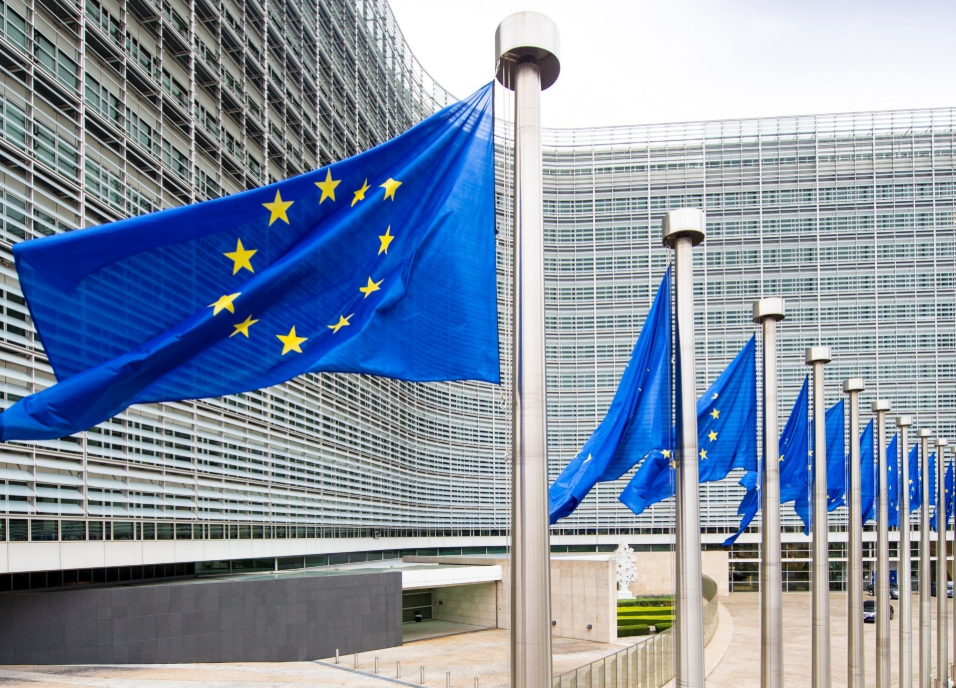

The European Union is looking into making a radical change on enlargement, a move that will temporarily take away potential members’ veto over the EU’s foreign policy choices. As suggested by The Guardian based on EU sources, such decision is the result of the frustration in Brussels regarding the unproductive paralysis imposed by the unanimity process.
Based on the plan being studied by the European Commission, countries seeking entry will be excluded from being able to object to foreign policy decisions, and to issues that require unanimity at the moment. This prohibition will remain in place for several years after the country becomes part of the Union.
The suggestion has reportedly been made during accession negotiations with Montenegro. Montenegro has been seeking membership of the EU for 14 years, and hopes to join the bloc as its 28th member by 2028, and is considered the leading applicant among the nine official candidate states. Should the restriction be adopted in Montenegro’s accession treaty, it could later serve as a template for other candidates in the Western Balkans and beyond.
However, the proposal walks a legal tightrope. According to The Guardian, the measure sits on the “edge of legality” and would need to be time-limited to avoid creating second-tier EU members — a prospect that raises serious concerns about the equality of states within the union.
The debate over veto rights is closely linked to a broader push by key EU members to reform decision-making. Germany has been backing stricter limitations on dissenters and the abolition of unanimity in decision-making. Berlin’s proposal comes as Brussels has repeatedly struggled to push through major foreign policy decisions — most notably a €90 billion loan package for Kyiv — due to opposition from member states resistant to funding Ukraine.
A number of EU officials have called for moving away from unanimity altogether. German Foreign Minister Johann Wadephul stressed that an EU with more than 33 members cannot continue operating under rules designed for a much smaller bloc.
Former EU foreign policy chief Josep Borrell similarly argued that the unanimity requirement has made the bloc irrelevant in international politics, calling for a smaller core group of member states to make decisions on key EU policies.
Not everyone is on board, however. Critics have accused Brussels of using the conflict in Ukraine and the enlargement debate as a pretext for centralising power at the expense of national sovereignty. Slovak Prime Minister Robert Fico warned that abolishing veto rights on fundamental EU matters would mark the “beginning of the end” for the bloc.
The debate touches on one of the EU’s most fundamental tensions: how to remain decisive and unified in the face of global crises, while preserving the equal footing of all member states — large and small, old and new. As enlargement accelerates and geopolitical pressures mount, the question of who gets a seat at the table — and whether that seat comes with full voting rights — is becoming increasingly urgent.