Europe’s green economy is a spectacular success, currently accounting for 5.8 million jobs and generating 1.33 billion euros in revenue in 2023 alone. In total, just under 50 per cent of Europe’s energy needs come from renewables according to latest figures from Eurostat, a statistic which many would have deemed an optimistic pipe dream just a few years ago. However, the political landscape in Europe is rapidly shifting and this begs the question as to where the EU’s environmental agenda is heading?
Solar Energy: 1% to 23% in less than 20 years
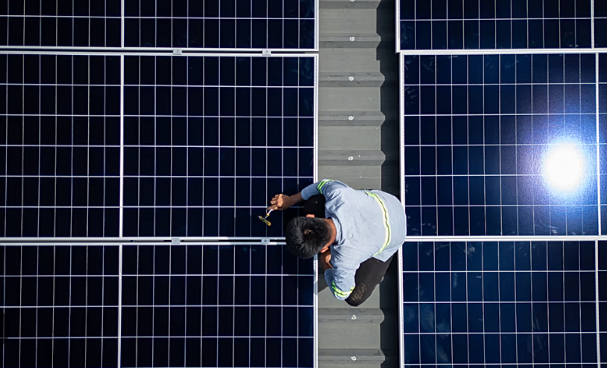
While renewable energy accounts for both wind (38%) and hydropower (26%), of all sources of green electricity in the EU, it is solar PV that represents the biggest success story of the past twenty years. According to Eurostat figures, it accounts for just 1% of the EU’s energy needs in 2008, but a staggering 23% in 2024; the result of plummeting installation prices, supported by robust policy and consumer demand. Analysts predict that within the next few years photovoltaic panels may even be producing more total energy than hydropower, consolidating its place at the forefront of the EU’s green power transition. Austria and Sweden are already meeting 90% of their needs through renewables and others are working to follow suit.
Waste Management is the Most Profitable Green Sector
Recycling is both good for the planet and good for the bottom line. Indeed, waste management is the most lucrative green sector in terms of revenue in the EU, accounting for over 200 million Euros in 2023, up 78% in the last ten years. This dwarfs the second and third most valuable green sectors – waste water management and material recycling respectively- which generate roughly half of waste management revenues and the sector already employs almost a million workers across the EU. In terms of total green economy jobs the number of workers has rocketed from 3.6 million in 2014 to 5.8 million in 2023, at a rate of 5.5% per year. Other important job creating sectors in terms of employee numbers are energy efficiency, with over 800,000 people employed in the sector, renewable energy at just over 785,000 and soil and groundwater protection with close to 680,000 workers.
Political Headwinds Following the 2024 Elections
However, the green economy’s impressive progress could be heading for a rocky ride. Following the results of the 2024 European Parliamentary elections which saw a surge of more conservative parties with a less ambitious environmental agenda, February 2025 saw the European Commission introduce the Omnibus I package, the aim of which is to reduce administrative and regulatory burdens for businesses (which includes environmental constraints) but, critics argue, amounts to deregulation disguised as simplification. The Commission also put negotiations for the Green Claims Directive – aimed at stopping companies making misleading claims about their environmental impact- on hold; it postponed proposals to reduce pesticide usage and relaxed targets for the Nature Restoration Law. For environmental groups, these changes represent a worrying departure from the policies that helped create the green economy in the first place. The question is whether Europe will manage to hold onto its green credentials over the next few years or if short term economics will dictate a step back.